How to Judge a New Nonfiction Book Before You Buy
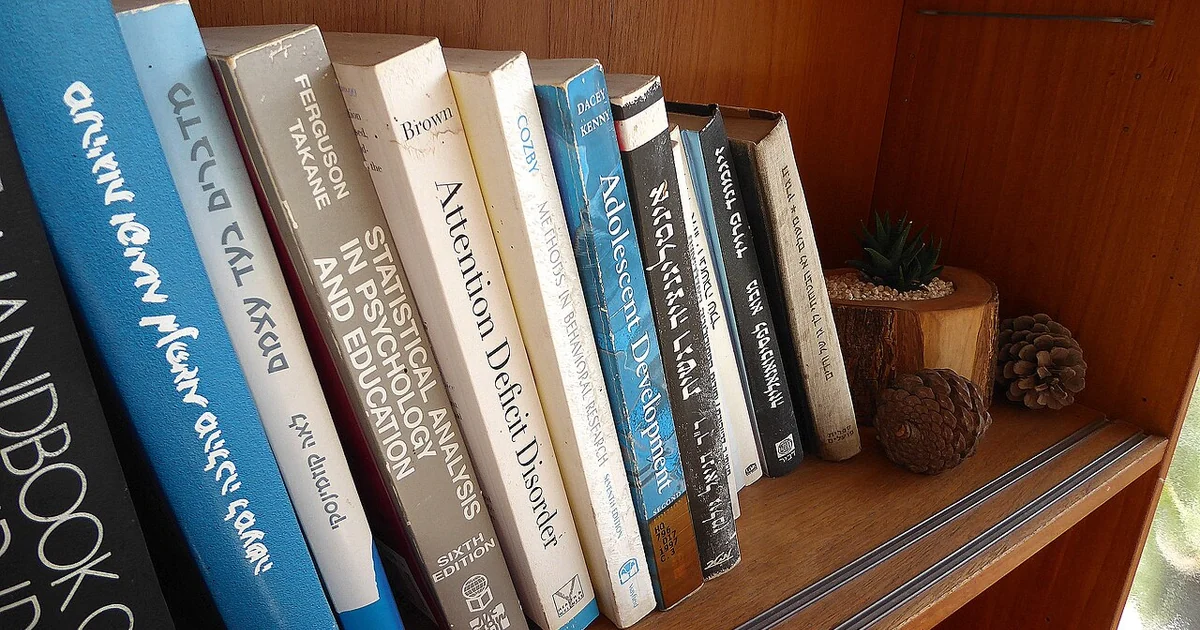
New nonfiction arrives constantly, and the cover, the title, and a short blurb rarely tell you whether a book will actually be useful. A newly released title can be sharply written and well organized, or it can repeat familiar ideas with a fresh coat of marketing. Readers who want to hear about new books first, as many New Books Daily readers do, benefit from a simple habit: before committing time or money, ask a handful of specific questions that reveal what a book is likely to deliver. The points below are general reading methods you can apply to any nonfiction title, from any publisher, in any subject.
Start with the author's relationship to the subject
The first question is who is writing and why they are qualified to write this particular book. Some authors have lived the subject: they have run the business, managed the project, practiced the craft, or worked through the problem personally. Others are skilled synthesizers who have studied the material closely and organized it clearly. Both can produce excellent books, but they offer different kinds of value, and you should know which you are getting.
Look for concrete signals in the book's front matter and author note. Does the writer explain their experience with the topic? Do they distinguish between firsthand practice and secondhand research? A good author usually tells you where their knowledge comes from, and where its limits lie. Be cautious when a book makes sweeping claims without showing any basis for them.
Check how claims are supported
Nonfiction lives or dies on its evidence. Before buying, scan the table of contents, the index, and the notes or bibliography if the sample allows. A book that cites primary sources, official documents, or clearly described case studies gives you something you can verify later. A book that offers only confident assertions asks you to trust the author completely.
Pay attention to the difference between general principles and specific instructions. A book about personal finance, health, or emergency planning may explain broad ideas that are widely accepted, but it should not present itself as personalized advice for your situation. Good books in these areas typically say so plainly and encourage readers to consult qualified professionals for individual decisions. The absence of that kind of boundary-setting is worth noting.
Match the book's scope to your actual question
Many disappointments come from a mismatch between what a reader wants and what a book covers. Before buying, write down the single question you hope the book will answer. Then compare it with the book's stated scope. A broad survey is a poor fit for someone who needs step-by-step technical detail, and a narrow specialist guide will frustrate someone looking for an overview.
Consider also the intended reader. Some books assume prior knowledge and move quickly through foundations. Others start from zero and spend many pages on basics. A sample chapter is the fastest way to test this. Read the opening section of a middle chapter, not just the introduction, because that is where you will find out whether the writing pace suits you.
Use a short pre-purchase checklist
Turn your evaluation into a repeatable routine. First, confirm the author's background and whether it fits the subject. Second, identify how claims are sourced, whether through citations, examples, or data. Third, compare the stated scope with your specific question. Fourth, read a sample from the middle of the book to judge clarity and depth. Fifth, check whether the book distinguishes general information from individualized advice, especially in money, health, legal, or safety topics. Sixth, decide whether the format works for you, since an ebook, print edition, or audiobook each suit different habits.
If a book passes most of these checks, it is a reasonable candidate. If it fails several, a library copy or a sample reading may be a better use of your time than a purchase. This routine takes only a few minutes and protects you from both hype and disappointment.
Keep a record of what you learn from new releases
Over time, your judgment improves if you track your experience. Note which authors, publishers, and approaches you found useful, and which felt thin or misleading. When you finish a book, write one sentence about whether it delivered on the question you started with. This small habit turns scattered reading into a personal filter that makes future choices faster.
Finally, remember that a new book is a starting point rather than a final word. Use it to frame questions, then test its ideas against other sources and your own experience. Careful readers treat each release as an argument to evaluate, which is the most reliable way to get real value from the flood of new nonfiction.